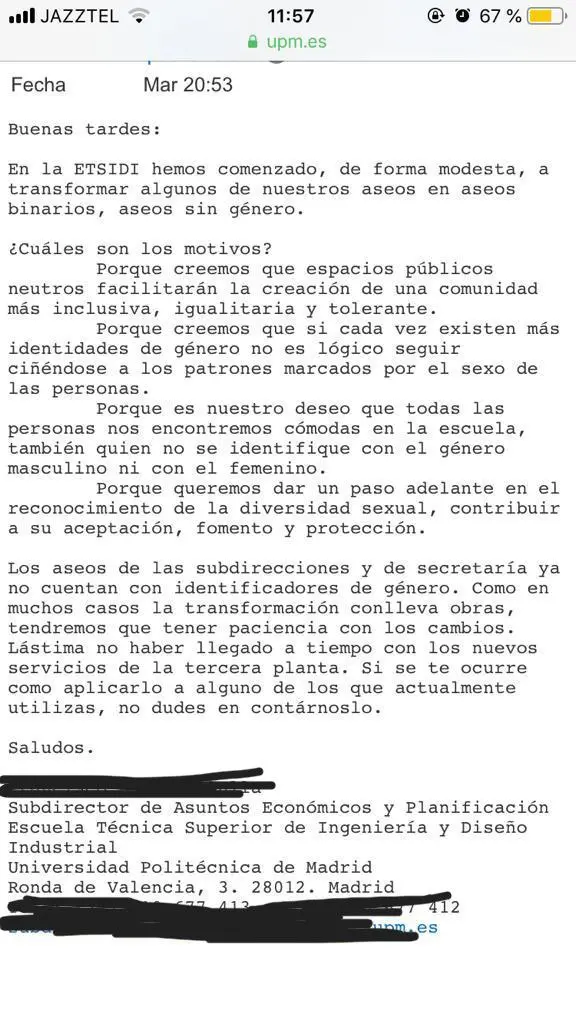
¿Es real? :roto2facepalm:

You are using an out of date browser. It may not display this or other websites correctly.
You should upgrade or use an alternative browser.
You should upgrade or use an alternative browser.
Progres progresando 🤡
- Thread starter Estigal
- Start date


Joder cómo manipulan y mienten. Me dan ganas de tirarles el chiringuito pero tienen suerte de que ahora soy una chica buena :gaydude:
https://www.lavozdelsur.es/tu-tambien-eres-el-asesino-de-laura/
https://www.lavozdelsur.es/tu-tambien-eres-el-asesino-de-laura/
M
Montana
Invitado
Late last week, the AFL released its long-awaited policy on transgender participation in Australian rules football. In it are a set of requirements trans women need to follow if they aim to play at AFLW level. These include having your testosterone below a certain level for two years, which I have no problem with, as well as the requirement that trans women undertake number of physical tests designed to ascertain if they have an advantage over cis women playing AFLW – the presumption being that this is because they are trans.
The reasons I’m critical of the AFL’s policy are not the reasons people may assume. Essentially, every physical requirement the policy asks me to meet I will. I know what I can do, and I know how I compare overall. Yet, there are still a number of issues surrounding how the policy is applied.
It is not yet clear, for example, if the data being used by the AFL to compare cis and trans women can be independently verified. Nor can we be sure the clubs have accurately reported their data. The question that has been answered by the AFL, however, is that if a trans athlete and a non-trans athlete were both to perform above average on their testing regime, the trans athlete would be excluded from AFLW, but the cis athlete wouldn’t. Not very consistent, or fair.
But while these are clear problems, there are positives in the policy, particularly that people are able to play community football unhindered.
My biggest concern is the fact that weight is being used as one of the key physical measures for possible exclusion. Forget the fact that in a game that has such an emphasis on endurance and speed, being heavy is not necessarily an advantage and think about the message it sends to women and girls about their bodies: if you’re too big, you can’t play. That is incredibly dangerous and backward.
It is an especially dangerous message for girls and teenagers (trans or not) who may not understand the difference between fat or muscle: they will simply get the message that being bigger is bad. If you don’t fit a certain stereotype, or possess a certain body shape, that’s bad. This is a message constantly reinforced through all types of media and the last place it needs to be coming from is sporting organisations: the very people who are currently engaged in a conscious push to increase physical activity for women and girls, which continues to lag at unhealthy rates.
The AFL should know better, as a number of its own female playing cohort – including Western Bulldogs captain Katie Brennan – have come out since the AFLW started to speak about their own prior issues with eating disorders.
That the AFL either hasn’t considered this when putting this policy together or chose to ignore it is terrible. It doesn’t take much for the seeds of lifelong body image issues to become set in a person’s mind, and with children less likely to be able to critically analyse a situation the way adults would, it is a very easy thing for a child to take the message “this person’s too big” and internalise it, turning it into “so am I”.
With so much unnecessary pressure already on girls and women about their appearance, sport should surely aspire to be a safe haven from that; a place where people’s bodies are celebrated for what they can do, rather than what they look like.
I’ve already spoken to a number of friends of mine, all cis women, about this part of the policy, and to a person their responses have been the same. The first question is always: “why does a panel of men get to decide if a woman is too big or too heavy to play football?” The irony is we know full well that our society would never tolerate a panel of women deciding if a man’s body was too small to play football.
There needs to be a policy in place for trans inclusion in Australian rules football, but whether women are too heavy or too big to play once they get to a certain size should never have been a consideration. It seems as though while some of the world has moved past judging women based on their size or appearance, the AFL has not. And it’s dangerous.

AFL's trans participation policy sets a dangerous precedent for women | Hannah Mouncey
With weight being used as a measure for exclusion, women are yet again being body-shamed
Una mujer de 61 años da a luz al bebé de su hijo gay en Estados Unidos
Cecile Eledge, una mujer de 61 años, se ha convertido en madre y abuela a la vez al dar a luz a la pequeña Uma, a la que gestó para ayudar a su hijo Matthew y a su marido, Elliot, a cumplir su sueño de ser padres. El caso de esta familia de Nebraska (Estados Unidos) ahonda en los dilemas éticos de los llamados vientres de alquiler o gestación subrogada, a los que se añaden, en este caso, la edad de la gestante. El bebé es fruto de un óvulo donado por la hermana de Elliot, que fue inseminado con el esperma de Matthew, y nació el pasado lunes.
"Si queréis que sea la gestante, lo haré en un santiamén", se ofreció Cecile hace dos años, cuando uno de sus tres hijos, Matthew, le contó sus planes de formar una familia, según cuentan en Buzzfeed.news. Matthew Eledge, de 32 años, y Elliot Dougherty, de 29, llevaban años ahorrando para el proceso, que calculan que les ha costado 40.000 dólares solo en la fecundación in vitro, más los gastos médicos del embarazo y el parto.
Lo que la pareja entendió inicialmente como una broma, se convirtió en realidad cuando empezaron a reunirse con especialistas en reproducción asistida para discutir las opciones que tenían. Matthew mencionó la oferta de su madre, y la médico, Carolyn Maud Doherty, lo consideró seriamente. Pese a ser una mujer ya posmenopáusica, Cecile siempre había sido, en palabras de su hijo, una fanática de la salud. El equipo del Hospital Metodista para Mujeres de Omaha, ciudad en la que reside el matrimonio, le hizo una serie de pruebas -citología, análisis de sangre, de colesterol, de estrés, mamografía, ecografía-, que mostraron que estaba lo suficientemente sana como para pasar un embarazo.
Los médicos le advirtieron de los riesgos asociados a su edad, que incluían problemas pulmonares, coágulos de sangre y una mayor probabilidad de que el parto acabase en cesárea. Sin embargo, Cecile se quedó embarazada al primer intento de transferencia de embrión, tuvo una gestación normal, aunque con más náuseas de lo que recuerda en sus embarazos previos, y dio a luz de forma natural.
La pareja ha querido hacer pública su historia para mostrar que una familia como la suya puede crecer incluso en el corazón del Estados Unidos más conservador. Nebraska no tiene leyes estatales que prohíban la discriminación basada en la orientación sexual o en la identidad de género. De hecho, Matthew fue despedido en 2015 de su puesto como profesor de Inglés en un instituto privado católico de Omaha cuando informó de que planeaba casarse con otro hombre.
Aunque poco habitual, el caso de Cecile Eledge no es el primero en el que una mujer da a luz a su propio nieto, ni siquiera es el de más edad. En 1987, Pat Anthony, de 48 años, dio a luz a los trillizos de su hija en Sudáfrica. En 1996, Edith Jones, de 51 años, se convirtió en la primera abuela de alquiler de Reino Unido, al ayudar a su hija y su yerno a ser padres. En 2016, la griega Anastassia Ontou se convirtió, con 67 años, en la mujer de más edad conocida en gestar para otra persona, en este caso también su hija.
Estos ejemplos altruistas se contraponen con los casos más frecuentes, en los que parejas que no pueden tener hijos recurren a mujeres para que gesten a un bebé a cambio de una contraprestación económica. En España está práctica es ilegal, por lo que cientos de parejas acuden cada año, a través de empresas intermediarias, a otros países con legislación más permisiva para llevar a cabo el proceso. El partido que más ha defendido la gestación subrogada en España es Ciudadanos. El resto de partidos se encuentran incómodos ante esta práctica.

 elpais.com
Cecile Eledge, una mujer de 61 años, se ha convertido en madre y abuela a la vez al dar a luz a la pequeña Uma, a la que gestó para ayudar a su hijo Matthew y a su marido, Elliot, a cumplir su sueño de ser padres. El caso de esta familia de Nebraska (Estados Unidos) ahonda en los dilemas éticos de los llamados vientres de alquiler o gestación subrogada, a los que se añaden, en este caso, la edad de la gestante. El bebé es fruto de un óvulo donado por la hermana de Elliot, que fue inseminado con el esperma de Matthew, y nació el pasado lunes.
"Si queréis que sea la gestante, lo haré en un santiamén", se ofreció Cecile hace dos años, cuando uno de sus tres hijos, Matthew, le contó sus planes de formar una familia, según cuentan en Buzzfeed.news. Matthew Eledge, de 32 años, y Elliot Dougherty, de 29, llevaban años ahorrando para el proceso, que calculan que les ha costado 40.000 dólares solo en la fecundación in vitro, más los gastos médicos del embarazo y el parto.
Lo que la pareja entendió inicialmente como una broma, se convirtió en realidad cuando empezaron a reunirse con especialistas en reproducción asistida para discutir las opciones que tenían. Matthew mencionó la oferta de su madre, y la médico, Carolyn Maud Doherty, lo consideró seriamente. Pese a ser una mujer ya posmenopáusica, Cecile siempre había sido, en palabras de su hijo, una fanática de la salud. El equipo del Hospital Metodista para Mujeres de Omaha, ciudad en la que reside el matrimonio, le hizo una serie de pruebas -citología, análisis de sangre, de colesterol, de estrés, mamografía, ecografía-, que mostraron que estaba lo suficientemente sana como para pasar un embarazo.
Los médicos le advirtieron de los riesgos asociados a su edad, que incluían problemas pulmonares, coágulos de sangre y una mayor probabilidad de que el parto acabase en cesárea. Sin embargo, Cecile se quedó embarazada al primer intento de transferencia de embrión, tuvo una gestación normal, aunque con más náuseas de lo que recuerda en sus embarazos previos, y dio a luz de forma natural.
La pareja ha querido hacer pública su historia para mostrar que una familia como la suya puede crecer incluso en el corazón del Estados Unidos más conservador. Nebraska no tiene leyes estatales que prohíban la discriminación basada en la orientación sexual o en la identidad de género. De hecho, Matthew fue despedido en 2015 de su puesto como profesor de Inglés en un instituto privado católico de Omaha cuando informó de que planeaba casarse con otro hombre.
Aunque poco habitual, el caso de Cecile Eledge no es el primero en el que una mujer da a luz a su propio nieto, ni siquiera es el de más edad. En 1987, Pat Anthony, de 48 años, dio a luz a los trillizos de su hija en Sudáfrica. En 1996, Edith Jones, de 51 años, se convirtió en la primera abuela de alquiler de Reino Unido, al ayudar a su hija y su yerno a ser padres. En 2016, la griega Anastassia Ontou se convirtió, con 67 años, en la mujer de más edad conocida en gestar para otra persona, en este caso también su hija.
Estos ejemplos altruistas se contraponen con los casos más frecuentes, en los que parejas que no pueden tener hijos recurren a mujeres para que gesten a un bebé a cambio de una contraprestación económica. En España está práctica es ilegal, por lo que cientos de parejas acuden cada año, a través de empresas intermediarias, a otros países con legislación más permisiva para llevar a cabo el proceso. El partido que más ha defendido la gestación subrogada en España es Ciudadanos. El resto de partidos se encuentran incómodos ante esta práctica.
Una mujer de 61 años da a luz al bebé de su hijo gay en Estados Unidos
Cecile Eledge, de Nebraska, se convierte en madre y abuela a la vez de la pequeña Uma, a la que gestó para ayudar a su hijo y a su marido a formar una familia

El lapsus de Irene Montero al referirse a los "fuerzos y cuerpas" de seguridad del Estado
El lapsus de Irene Montero al referirse a los "fuerzos y cuerpas" de seguridad del Estado
Ya se lían ellos solos :meparto:

Cinco jóvenes se fotografían mostrando sus senos delante de un coche de la Policía Local en la Plaza Mayor | La Gaceta de Salamanca
Una de ellas la ha subido a su perfil de Instagram
Y putas :facepalm1:
M
Miembro 11099
Invitado

Síndrome del Pero
Se está expandiendo a través de las redes sociales, bares y reuniones familiares. Estamos a tiempo de erradicarlo. Entra en sindromedelpero.org y descubre cómo hacerlo.
 felgtb.com
:facepalm1:
Sharron Davies' dismay as trans powerlifter smashes women's world records
Plymouth Olympian Sharron Davies and Dame Kelly Holmes have reacted with dismay after a trans woman with "a male body with male physiology" set four new world records while winning a women’s powerlifiting event in America.
On Instagram, transgender powerlifter Mary Gregory shared her joy at winning 'nine out of nine' events at the Raw Powerlifting Federation Event - and setting new world records for Masters Squat, Open bench, Masters dead lift and Masters total.
"Still processing, full meet recap to come a bit later but I do want to thank a few people," said Mary in her Instagram post.
"A huge thank you to @raw_powerlifting_federation_, from the bottom of my heart! As a transgender lifter I was unsure what to expect going into this meet and everyone - all the spotters, loaders, referees, staff, meet director, all made me welcome and treated me as just another female lifter- thank you!
"And thanks to all the fans in the audience who cheered me on and congratulated me!"
However, former swimming champion Sharron Davies isn't congratulating Mary - and neither is Double Olympic Champion Dame Kelly Holmes.
On Twitter, Sharron said: "This is a trans woman a male body with male physiology setting a world record & winning a woman’s event in America in powerlifting. A woman with female biology cannot compete... it’s a pointless unfair playing field."
Her tweet has been like more than 4,000 times and attracted hundreds of messages of support - including one from Double Olympic Champion Dame Kelly Holmes, who said: "It's a bloody joke and all getting ready for biological women to boycott certain events. Have a trans category if need be but even better a trans games.
"Otherwise I’m starting to worry about the backlash and abuse that the trans community will get from spectators. It will happen!"

 www.plymouthherald.co.uk

Plymouth Olympian Sharron Davies and Dame Kelly Holmes have reacted with dismay after a trans woman with "a male body with male physiology" set four new world records while winning a women’s powerlifiting event in America.
On Instagram, transgender powerlifter Mary Gregory shared her joy at winning 'nine out of nine' events at the Raw Powerlifting Federation Event - and setting new world records for Masters Squat, Open bench, Masters dead lift and Masters total.
"Still processing, full meet recap to come a bit later but I do want to thank a few people," said Mary in her Instagram post.
"A huge thank you to @raw_powerlifting_federation_, from the bottom of my heart! As a transgender lifter I was unsure what to expect going into this meet and everyone - all the spotters, loaders, referees, staff, meet director, all made me welcome and treated me as just another female lifter- thank you!
"And thanks to all the fans in the audience who cheered me on and congratulated me!"
However, former swimming champion Sharron Davies isn't congratulating Mary - and neither is Double Olympic Champion Dame Kelly Holmes.
On Twitter, Sharron said: "This is a trans woman a male body with male physiology setting a world record & winning a woman’s event in America in powerlifting. A woman with female biology cannot compete... it’s a pointless unfair playing field."
Her tweet has been like more than 4,000 times and attracted hundreds of messages of support - including one from Double Olympic Champion Dame Kelly Holmes, who said: "It's a bloody joke and all getting ready for biological women to boycott certain events. Have a trans category if need be but even better a trans games.
"Otherwise I’m starting to worry about the backlash and abuse that the trans community will get from spectators. It will happen!"
Dismay as trans powerlifter smashes women's world records
Double Olympic Champion Dame Kelly Holmes has called it 'a bloody joke'

